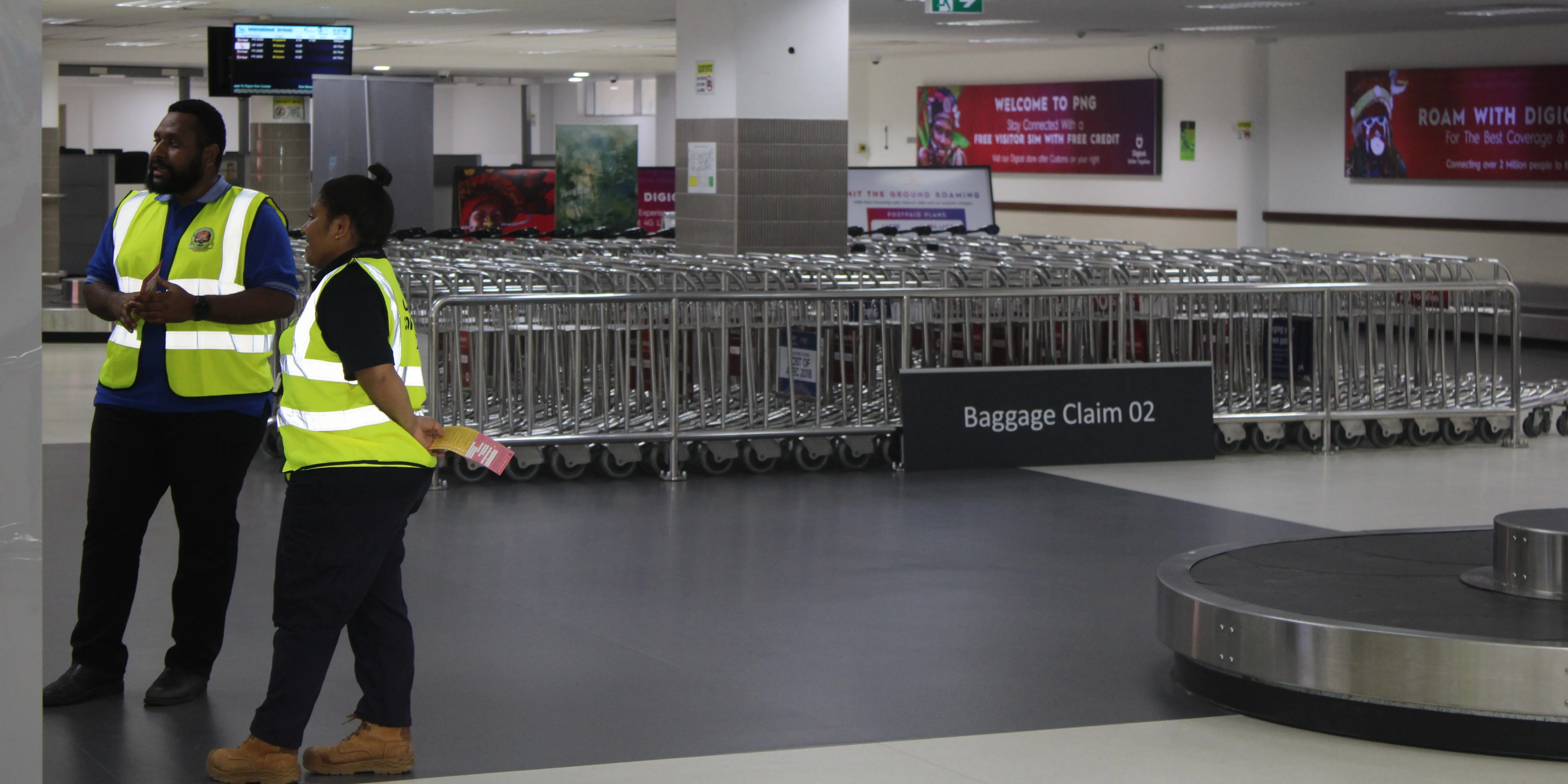
What is Customs Approach to Compliance?
Our aim is to improve the level of voluntary compliance by clients. Customs does not examine every import or export transaction.
Audits are generally conducted by Customs officers using audit powers provided by the Customs and Excise Act. These powers can be exercised in respect of imports and exports. Customs officers are also able to conduct audit activities under existing powers or licence conditions at licensed depots and warehouses
What is a Customs Audit?
A Customs audit examines the records of clients after the import or export transaction has been finalised.
Legal Authority
Section 131 of the Customs Act allows Customs to examine records up to five years after the transaction.
Types of Audits
Document verification checks of nominated transactions conducted at Customs offices. These are generally conducted to monitor client activities where a specific risk can be addressed by examining commercial documents. May involve a physical examination of the goods.
Conducted in licensed warehouses. They involve verification of data held by the company to substantiate the movement of goods into and out of the warehouse. Revenue payments and manufacturing processes (in warehouses licensed to manufacture) will also be verified.
Why Was My Company Selected for an Audit?
Customs has the authority to audit all client activity relating to customs, including:
- Imports
- Exports
- Licensed warehouses
- Drawbacks
- Refunds
- Permits
- Taxes on imports
| Selection Factor | Description |
|---|---|
| Sampling | Customs samples a range of companies in each industry sector to make an assessment about industry risks and compliance. |
| Risk Management | The selection of clients for audit follows established risk management principles. |
| Universal Chance | Every client dealing with Customs has a chance of being audited. |
What Happens in a Customs Audit?
Step-by-Step Process
Customs will contact you about your selection for a Customs audit. You are welcome to include your Customs broker or any other representative in the audit process.
An entrance interview between the Customs audit team and key management personnel will be arranged to discuss:
- The purpose, scope and timing of the audit
- Any office accommodation requirements
- Access to company systems
Audits will be conducted in as short a timeframe as possible to minimise the imposition on your business.
An exit interview will be conducted after the audit is completed. The audit team will give you a Company Audit Report and discuss with you any issues arising from the audit.
What Will the Auditors Look At?
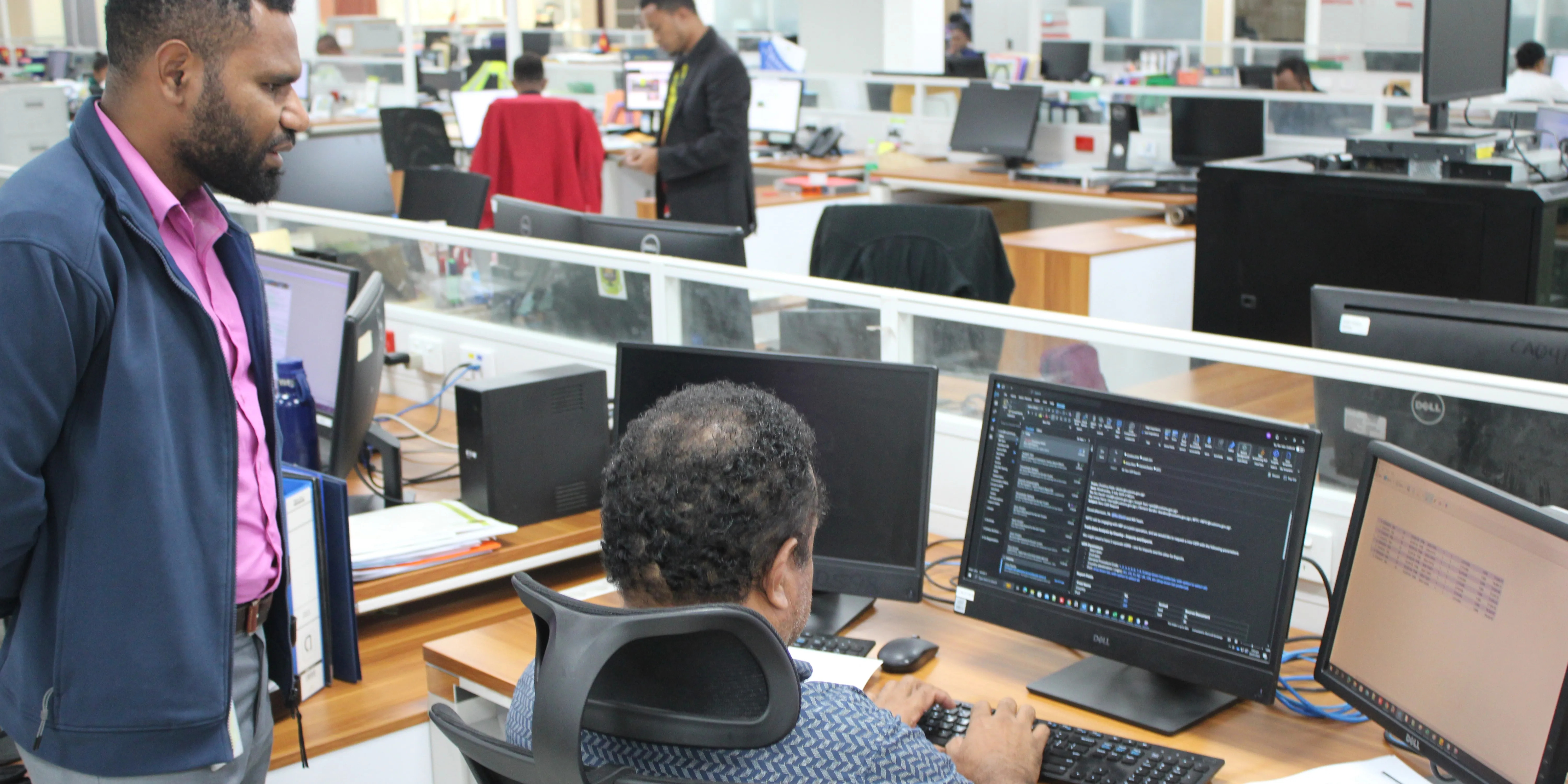
The audit team will examine the commercial documents (including electronic versions) that you must keep concerning your dealings with Customs.
Document Checklist
| Transaction Documents |
|
|---|---|
| Shipping Documents |
|
| Financial Documents |
|
| Regulatory Documents | Permits |
| Communications | Correspondence (including electronic) |
What Can I Expect from Customs?
- You can expect the audit team to be professional at all times.
- You can expect Customs to answer any questions you have about the audit process.
- You have the right to expect Customs to observe privacy and confidentiality.
What If the Audit Team Discovers Errors in My Records?
Customs' primary concern is how errors can be avoided in the future.
Where appropriate, Customs will recommend improvements to procedures to help prevent future errors.
The audit team will discuss any specific errors with you. Where legislated guidelines allow, errors will require adjustment – this may include revenue adjustments.
In some instances, penalties may be considered appropriate. You will have the opportunity to have the circumstances of the error considered by Customs.
Your Rights
- Disagreement: If you disagree with the assessment of the audit team, you should contact the audit manager.
- Contest Outcome: It is your right to contest the outcome of the audit.
Your Legal Responsibility
ℹ️ As a Customs client, you are legally responsible for your statutory obligations, even if you have paid for professional advice or assistance for your Customs dealings.
- Message from the Chief Commissioner of Customs
- Immigration Minister Calls for Stronger Border Integrity and Whole-of-Government Collaboration
- Customs Chief Commissioner Calls for Unified Public-Private Collaboration to Secure Borders and Facilitate Trade
- Reaffirming commitment to Government priorities
Register for Importing/Exporting

Importing a vehicle
Forms & Guides