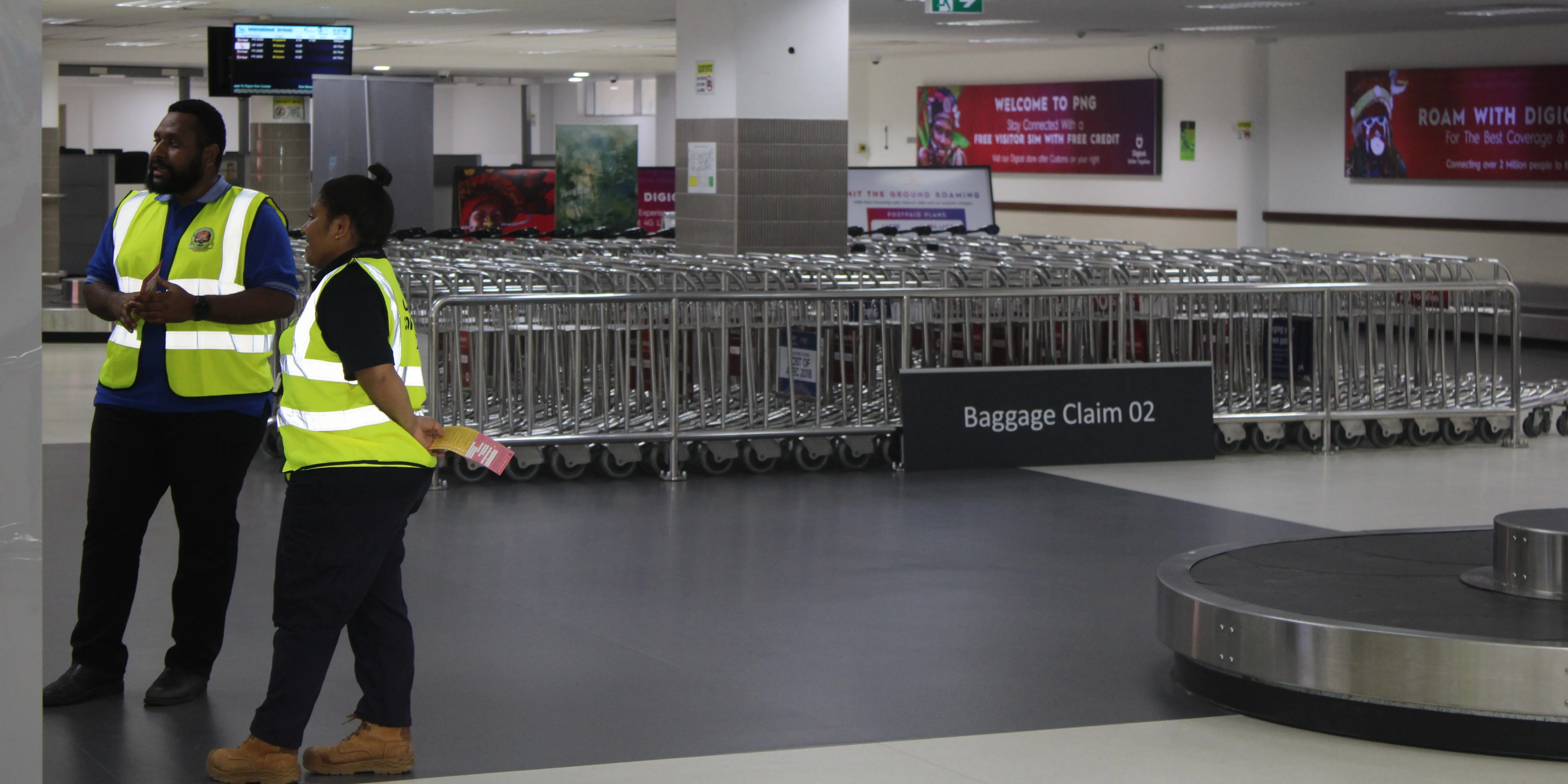
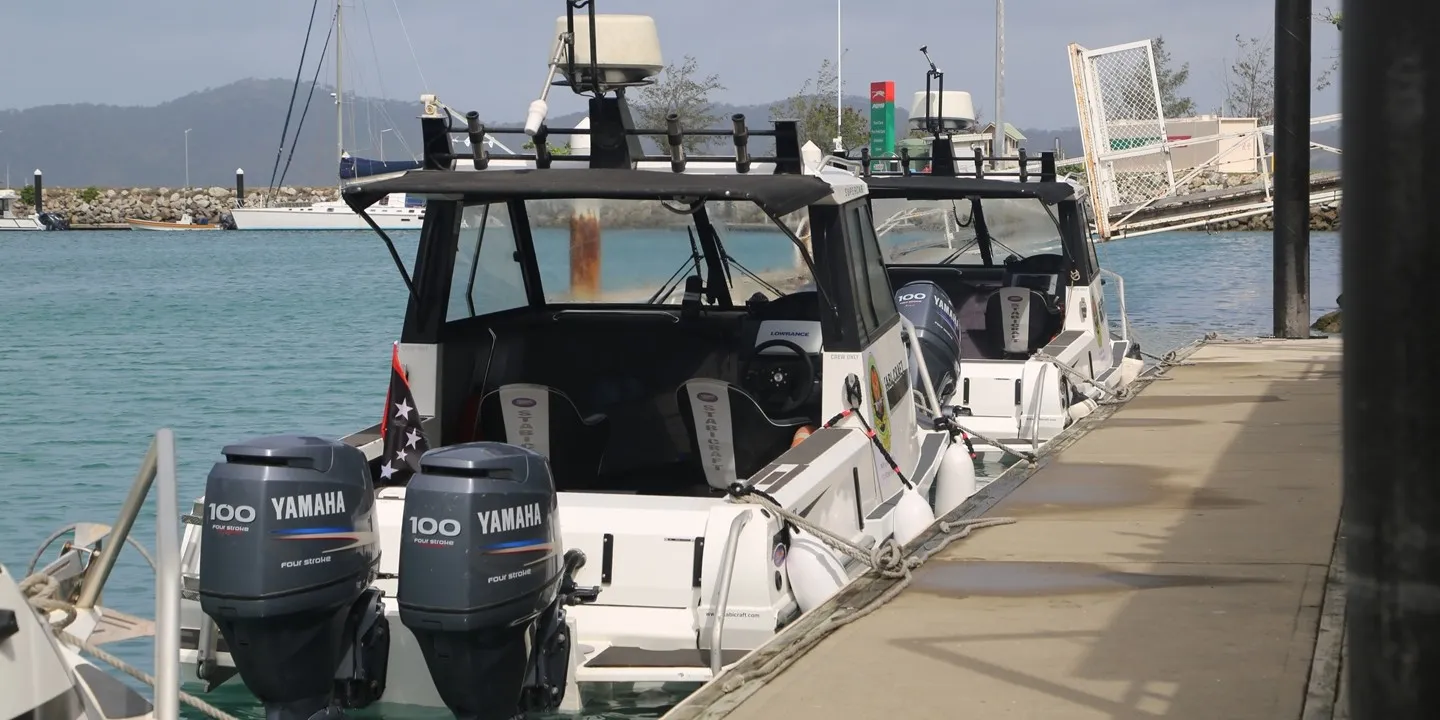
Whether you are a visitor or a returning resident, compliance with these regulations ensures a smooth entry and protects PNG’s unique environment..
Arrival Procedures
The 48-Hour Notification Rule
By law, the Master of a Super Yacht must give notice of their impending arrival no later than 48 hours before reaching PNG. Failure to do so may result in legal penalties.
- Vessel Details: Yacht name and its last four ports of call.
- Arrival Info: Intended first port of entry and estimated arrival time.
- People on Board: Full details (Name, DOB, Nationality, Passport number) for the Master, crew, and all passengers.
- Biosecurity: Details of any animals on board or recently encountered illnesses/diseases.
- Safety: Details of any firearms or weapons on board.
- Display the Flag: Clearly display the International Pratique Q-flag (yellow).
- Direct Travel: Sail directly to an appointed boarding station at a designated Customs port.
- Stay on Board: All persons must remain on board until full clearance is granted by Customs, Quarantine, and Immigration. It is an offence to go ashore or contact other vessels before clearance.
Immigration & Visa Requirements
Every person on board who is not a PNG citizen must have a valid visa.
- Advance Visas: It is strongly recommended that all foreign nationals obtain their visas before traveling to PNG.
- Border Visas: If you arrive without a visa, you must apply for a Border Visa (30-day maximum stay) at your first port of entry. Note that this can cause significant delays as Immigration officers are not always permanently at the port.
- Overstaying: Do not overstay your visa; if it is expiring, you must leave the country or seek an extension from the Department of Immigration.
Prohibited & Restricted Items
PNG has strict laws to protect its citizens and environment. Penalties for illegal imports are severe and can include imprisonment. Also refer to Prohibited Imports
- Quarantine (Biosecurity): You must declare all food, plants, and animal items. Do not throw waste or foodstuffs overboard; use designated disposal points.
- Animals: If an animal is on board, the vessel must remain at a mid-water mooring or anchorage for the duration of the stay.
-
Drugs & Medicine: You must report all drugs on board, including medical kit items containing narcotics or tranquillisers.
⚠️Penalties for drug offences include imprisonment.
- Weapons & Firearms: All weapons must be declared. They will be checked by Customs and sealed in the vessel’s armoury under the Master's care.
- Currency: You must declare if you are carrying K5,000 or more (or the foreign currency equivalent) on arrival or departure. See, Cross-Border Movement
Your Stay, Cruise Permits & Temporary Import
Depending on your plans, there are two primary options for your stay in PNG waters:
Can be issued for the length of the Master's visa if Customs is satisfied the vessel is not for sale. It will not be issued if the vessel is owned/operated by a PNG resident or if the vessel is listed for sale.
Required if the vessel stays for a limited period (up to 12 months). This requires a letter of guarantee from a local agent who becomes responsible for all payable taxes. Temporary Imports
Departure Requirements
- You must obtain Customs and Immigration clearance before departing. It is a legal offence to leave without it.
- Passengers may be required to pay a Passenger Movement Charge (currently K30).
- The Master must complete a Departure Report, and all persons must submit an Outgoing Passenger Card.
- Heritage Items: It is illegal to remove items of national heritage (e.g., WWII relics, archaeological finds, certain artworks) without a permit from the National Museum.
- Wildlife: Exporting native, endangered, or threatened wildlife (animals and plants) is strictly regulated and often illegal without permits from the Department of Conservation.
Here's a Checklist for Masters
- Email pre-arrival notice to NCC@customs.gov.pg.
- Display the Yellow Q-Flag and head to the boarding station.
- Have all passports, visas, and arrival forms ready for the boarding team.
- Ensure voyage details are lodged with local police or rescue organizations.
- Ensure all vessel waste is securely contained for removal by a Quarantine officer.
- Secure official Customs clearance and pay any applicable departure taxes.
- Message from the Chief Commissioner of Customs
- Immigration Minister Calls for Stronger Border Integrity and Whole-of-Government Collaboration
- Customs Chief Commissioner Calls for Unified Public-Private Collaboration to Secure Borders and Facilitate Trade
- Reaffirming commitment to Government priorities
Register for Importing/Exporting
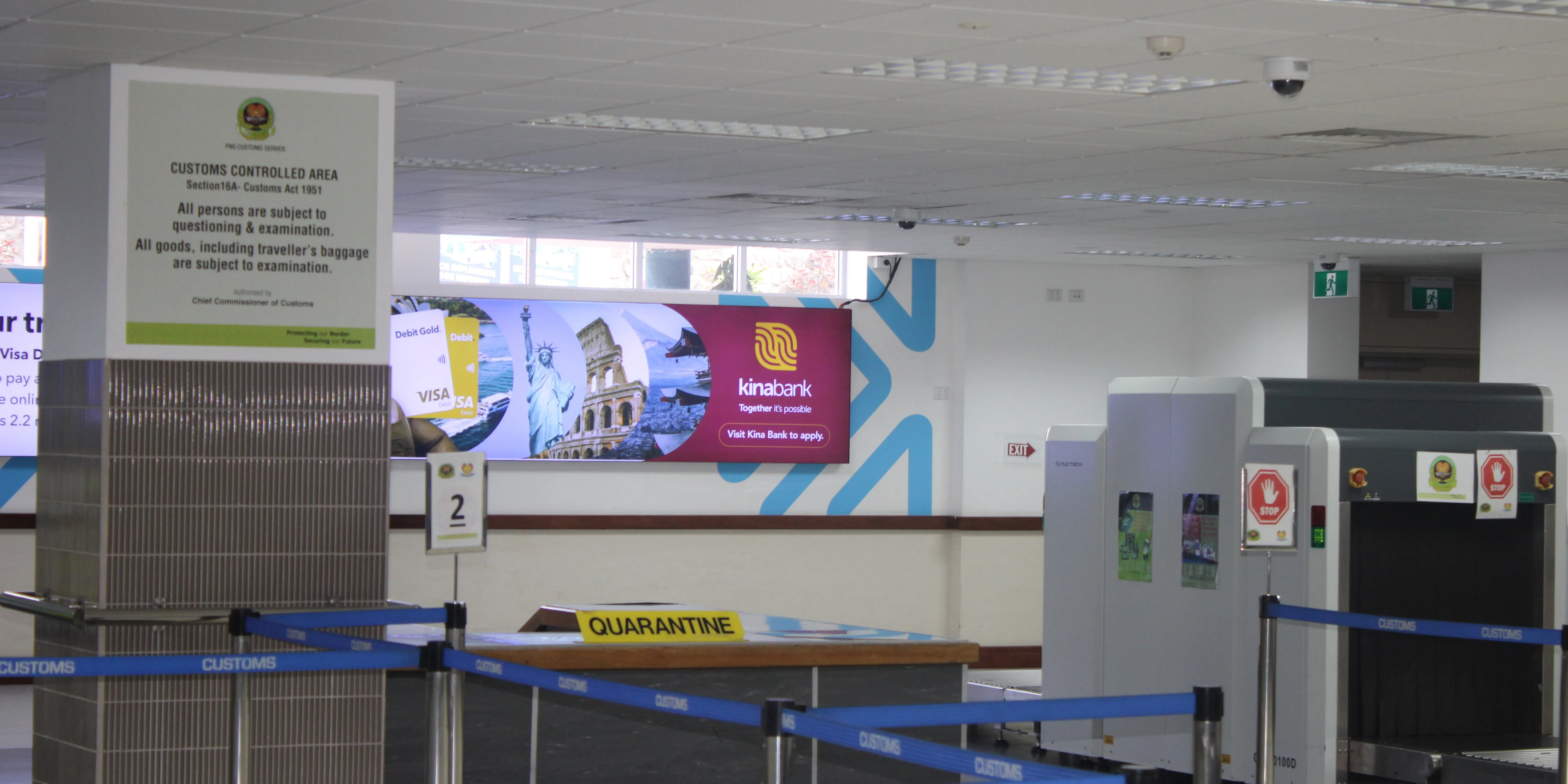
Importing a vehicle
Forms & Guides